Eid is a festival of joy, family gatherings, and beautiful traditions. One of the most delightful aspects of celebrating Eid is dressing up in stunning outfits that reflect grace and elegance.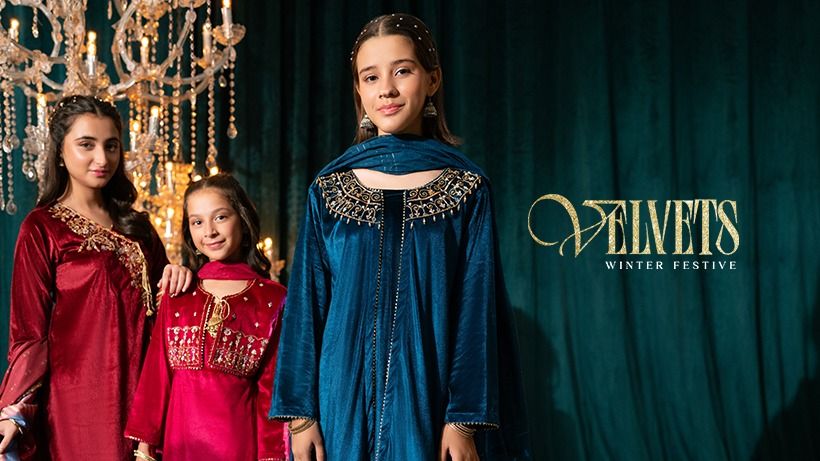
Among the myriad styles available, the eid design dress holds a special place because of its intricate details, vibrant fabrics, and especially its embroidery. Embroidery transforms a simple dress into a statement piece, giving it a unique charm and sophistication.
In this comprehensive guide, we will explore the significance of embroidery in Eid design dresses, the different techniques, fabric choices, styling tips, and how it contributes to an elegant appearance.
The Cultural Significance of Embroidery in Eid Dresses
Embroidery has been a part of South Asian and Middle Eastern clothing traditions for centuries. Historically, it was a sign of social status, wealth, and craftsmanship. During Eid, wearing a dress with detailed embroidery is not just a fashion statement but also a way to honor tradition. The delicate patterns and handwork show care, effort, and artistry, which resonates deeply with the celebratory and respectful atmosphere of Eid.
In the context of an eid design dress, embroidery serves multiple purposes:
-
Adds visual appeal: It brings intricate patterns and textures that make the outfit eye-catching.
-
Enhances elegance: Even a subtle embroidered motif can elevate a dress from simple to sophisticated.
-
Represents heritage: Traditional stitches and motifs often have cultural and symbolic meanings.
Popular Embroidery Styles for Eid Design Dresses
There are numerous embroidery styles that are commonly used in Eid design dresses. Each style has its distinct look and charm. Some of the most popular include:
Zari Embroidery
Zari work uses metallic threads, usually gold or silver, to create intricate designs. It is a traditional style widely used in South Asian fashion. Zari embroidery is often found on borders, sleeves, and bodices, adding a royal touch to an eid design dress.
Aari Embroidery
Aari embroidery is done using a hooked needle, creating fine chain stitches. This technique allows for delicate floral and paisley patterns, giving the dress a soft and feminine appeal. Aari work is perfect for lightweight fabrics like chiffon and silk, enhancing their natural flow.
Mirror Work Embroidery
Mirror work, also known as Shisha embroidery, incorporates tiny reflective mirrors into the stitched design. It adds sparkle and glamour to the dress, making it ideal for festive occasions like Eid. A dress with subtle mirror work can catch light beautifully, giving an elegant shimmer without being overwhelming.
Thread and Resham Embroidery
Thread embroidery, also called Resham work, involves colored silk threads stitched into floral, geometric, or abstract designs. It is versatile and can be used on both casual and formal Eid outfits. The use of bright threads can make the dress vibrant, while pastel tones give a soft, sophisticated look.
Cutwork and Lace Embroidery
Cutwork embroidery combines fabric cutting with thread stitching to create intricate lace patterns. This technique adds depth and texture to an eid design dress. Cutwork often highlights borders, necklines, and cuffs, providing a delicate and graceful finish.
Choosing the Right Fabric for Embroidered Eid Dresses
The choice of fabric is crucial for embroidery because it affects both the appearance and the comfort of the dress. Different fabrics suit different types of embroidery. Here’s a breakdown:
-
Silk: Luxurious and smooth, silk holds embroidery beautifully. Perfect for zari and thread work. Ideal for formal eid design dresses.
-
Chiffon: Lightweight and flowing, chiffon works well with Aari and light thread embroidery. Best for summer Eid celebrations.
-
Cotton: Comfortable and breathable, cotton suits casual embroidered dresses. Thread and mirror work can add charm without making it heavy.
-
Georgette: Soft yet slightly textured, georgette is excellent for intricate embroidery that requires structure but also movement.
-
Velvet: Rich and opulent, velvet pairs beautifully with heavy embroidery, especially metallic threads. It is perfect for evening Eid parties.
Color Combinations and Embroidery
Color plays an essential role in enhancing embroidery on an eid design dress. Certain color combinations can make embroidery pop while maintaining elegance:
-
Monochrome with Metallics: A solid dress with gold or silver embroidery looks regal.
-
Pastels with Subtle Threads: Soft pinks, blues, and creams paired with pastel embroidery are perfect for a sophisticated daytime Eid look.
-
Vibrant Contrasts: Bright embroidery on neutral fabric can create a striking effect without being overpowering.
-
Ombre Effects: Gradient embroidery on a solid background adds depth and visual interest.
Styling Tips for Embroidered Eid Dresses
Embroidered dresses deserve careful styling to maintain elegance without overdoing it. Here are some tips:
Accessories
Keep accessories minimal for heavily embroidered dresses. A pair of simple earrings, a bracelet, or a clutch is enough. For light embroidery, you can play with statement jewelry to complement the design.
Footwear
Match footwear to the embroidery style and color. Metallic sandals or heels work well with zari or mirror work, while soft leather or fabric shoes suit thread-embroidered dresses.
Dupattas and Shawls
A plain dupatta can balance a heavily embroidered dress, while a lightly embroidered or lace-edged dupatta complements simpler dresses. Ensure the embroidery style and color of the dupatta match or harmonize with the dress.
Hair and Makeup
Elegant hairstyles like a low bun, soft curls, or braids pair well with embroidered dresses. Keep makeup natural and fresh for daytime Eid, and slightly bold for evening parties to complement the outfit's sophistication.
Layering Embroidery for a Luxurious Look
One way to elevate an eid design dress is to layer different embroidery techniques. For example:
-
Use Zari on the borders and Aari embroidery on the body.
-
Add subtle beadwork or sequins to thread embroidery.
-
Combine lace cutwork with mirror embellishments for a multidimensional design.
Layering should be done thoughtfully to avoid overwhelming the outfit. The goal is to enhance elegance, not create clutter.
Tailoring and Fit Considerations
Even the most beautiful embroidery can lose its charm if the dress doesn’t fit well. Here are some tips:
-
Tailoring: Ensure the embroidery is not distorted by ill-fitting seams or stretches. Custom tailoring is often necessary for intricate work.
-
Placement: Embroidery placement can affect body proportions. Vertical designs elongate the frame, while horizontal or chest-heavy embroidery draws attention upward.
-
Balance: Pair heavy embroidery with simple silhouettes. For example, a straight-cut dress with an embroidered bodice looks refined compared to a heavily embroidered A-line dress.
Care and Maintenance of Embroidered Eid Dresses
Embroidered dresses require careful handling to maintain their elegance:
-
Dry Cleaning: Most heavily embroidered dresses should be dry-cleaned to avoid thread damage.
-
Storage: Store in breathable garment bags to prevent dust and avoid crushing the embroidery.
-
Ironing: Use a low-heat iron or steam from the inside to avoid flattening threads or sequins.
-
Spot Cleaning: For minor stains, gently dab with a mild detergent solution. Avoid rubbing harshly on embroidery.
Embroidery Trends for Eid Design Dresses
Fashion trends evolve, but embroidery remains timeless. Here are current trends for 2026:
-
Minimalist Embroidery: Small, scattered motifs on simple fabrics for understated elegance.
-
Floral Overload: Large, bold floral patterns in bright thread or silk.
-
Mix and Match: Combining traditional embroidery with modern cuts and asymmetrical designs.
-
3D Embroidery: Raised thread, beads, and sequins for texture-rich dresses.
-
Eco-Friendly Embroidery: Using natural dyes and hand-stitched techniques to promote sustainability.
DIY and Personalized Embroidery Options
Many fashion enthusiasts are exploring DIY embroidery for Eid dresses. Personalized embroidery adds a unique touch:
-
Monograms: Initials stitched delicately on cuffs or hems.
-
Custom Motifs: Family symbols, favorite flowers, or geometric patterns.
-
Bead and Sequin Additions: Personal embellishments over pre-made embroidery for a unique sparkle.
DIY embroidery can make an eid design dress more sentimental and personal while allowing you to experiment with colors and textures.
Choosing the Right Embroidered Dress for Your Body Type
Embroidery can accentuate or balance body features depending on placement and style:
-
Petite Figures: Vertical embroidery or light scattered motifs can elongate the frame.
-
Tall Figures: Bold, heavy embroidery can add visual interest and dimension.
-
Curvy Figures: Strategic embroidery along the neckline, sleeves, and hem balances proportions.
-
Slim Figures: Layered embroidery adds richness and fullness to the silhouette.
Understanding your body type helps in selecting the right embroidered Eid dress that enhances elegance naturally.
How Embroidery Reflects Your Personality
Your choice of embroidery speaks volumes about your style:
-
Subtle, delicate embroidery: Indicates sophistication and understated elegance.
-
Bold, colorful embroidery: Shows confidence and love for vibrant aesthetics.
-
Traditional patterns: Reflect appreciation for culture and heritage.
-
Contemporary mixes: Showcase creativity and a modern twist on classic styles.
An embroidered eid design dress can be more than attire—it can be a reflection of personal style and festive spirit.
Conclusion
Embroidery is the heart of elegance in an eid design dress. From traditional Zari work to contemporary 3D embellishments, it adds texture, charm, and cultural richness to Eid fashion. Choosing the right embroidery style, fabric, color combination, and fit ensures that your dress not only looks beautiful but also feels comfortable and meaningful. Proper care and thoughtful styling further enhance the overall appearance, making every embroidered Eid dress a celebration of craftsmanship, heritage, and personal style. Whether you prefer subtle thread work or elaborate mirror embellishments, embracing embroidery is the key to achieving sophistication and festive charm during Eid. Investing in an embroidered dress is investing in elegance, tradition, and memories that will last a lifetime.
About the Author
