Hearing is a crucial sense that allows individuals to communicate, enjoy music, respond to environmental cues, and connect with the world around them. When hearing diminishes, even slightly, it can affect personal relationships, professional life, and emotional well-being. Hearing aids have emerged as life-changing devices for millions of people experiencing hearing loss, 助聽器款式 offering a path to restored hearing, confidence, and improved quality of life. Modern hearing aids go far beyond basic amplification, incorporating advanced technology, personalized adjustments, and user-friendly designs.
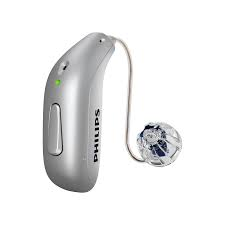
Hearing aids are compact electronic devices worn in or behind the ear to enhance hearing. They work by capturing sounds through microphones, converting them into digital signals, processing and amplifying specific frequencies, and delivering the sound to the ear. Unlike older analog devices, modern hearing aids provide highly precise sound adjustment, ensuring clarity while reducing unwanted background noise and feedback. This targeted amplification allows users to hear speech, music, and environmental sounds naturally and comfortably.
Technological advancements have revolutionized hearing aids, making them more effective, adaptable, and connected than ever. Digital processors analyze incoming sound and automatically adjust amplification to optimize hearing in different environments. Noise reduction and directional microphones help focus on important sounds while minimizing distractions. Many hearing aids now offer Bluetooth connectivity, enabling users to stream phone calls, audio, and media directly from smartphones or other devices. This connectivity enhances convenience, allowing hearing aids to seamlessly integrate into modern lifestyles.
The benefits of hearing aids extend far beyond simply improving hearing. Untreated hearing loss can result in social isolation, frustration, and mental health challenges such as depression and anxiety. Hearing aids allow individuals to actively participate in conversations, maintain relationships, and enjoy social activities. They also support cognitive health, as studies have shown that consistent auditory stimulation through hearing aids can reduce the risk of cognitive decline in older adults. By improving communication and reducing stress, hearing aids significantly enhance overall quality of life.
Selecting the right hearing aid requires careful evaluation by a professional audiologist. Comprehensive hearing tests determine the type and severity of hearing loss, guiding recommendations for suitable devices. Other considerations, such as comfort, cosmetic preferences, lifestyle, and budget, also influence the choice. Behind-the-ear models offer versatility and durability, while in-the-ear devices provide discreet and comfortable wear. Modern hearing aids often include rechargeable batteries, water-resistant designs, and adaptive sound processing to enhance convenience, usability, and long-term satisfaction.
Proper usage and maintenance are key to ensuring optimal performance. Users need to learn how to insert and remove devices correctly, adjust volume and programs, and maintain cleanliness to prevent wax or moisture damage. Regular audiologist visits help ensure the device remains accurately calibrated, while software updates in digital devices can improve functionality over time. Educating users about care and maintenance empowers them to enjoy consistent hearing improvement and extend the lifespan of their devices.
Hearing aids have a profound impact on both children and adults. For children, early intervention is critical for language, speech, and cognitive development. Well-fitted hearing aids allow children to acquire communication skills comparable to their peers, supporting academic progress and social interaction. For adults, particularly older individuals, hearing aids enhance independence, safety, and mental sharpness. They reduce feelings of isolation, improve social engagement, and allow users to participate fully in daily life.
Despite their benefits, some individuals hesitate to use hearing aids due to cost, stigma, or misconceptions. Many believe that hearing aids are only necessary for severe hearing loss, delaying adoption and limiting the benefits of early intervention. Overcoming these barriers requires education, affordability, and accessible healthcare services. Device innovations emphasizing comfort, design, and ease of use also encourage more people to embrace hearing aids. Awareness campaigns and insurance support play a vital role in promoting timely use and helping individuals improve their hearing health.
The future of hearing aids promises even greater innovation. Artificial intelligence and machine learning are enabling devices to adjust automatically to diverse listening environments. Miniaturization is producing smaller, discreet devices without compromising sound quality. Some hearing aids now incorporate health-tracking features, allowing users to monitor activity, heart rate, or other wellness metrics. These advancements position hearing aids as multifunctional devices that support both auditory and overall health, enhancing independence and lifestyle quality.
In conclusion, hearing aids are transformative devices that restore more than hearing—they restore connection, engagement, and confidence. Modern hearing aids combine advanced technology, personalized fitting, and practical design to improve communication, mental well-being, and daily life for individuals with hearing loss. By embracing hearing aids, people can reconnect with the sounds of the world, maintain social and professional connections, and enjoy a richer, more fulfilling life. These devices are more than amplifiers—they are gateways to a life filled with clarity, communication, and connection.
About the Author
